A Landscape Made for Riding
Menorca has a quiet magic for riders. It is an island where horses are woven gently and deeply into everyday life. Riding here feels less like an activity and more like a conversation with the land — slow, rhythmic, and grounded in centuries of tradition.
One of the first things riders notice is the landscape itself. Menorca is remarkably unspoilt. Declared a UNESCO Biosphere Reserve, the island has been protected from overdevelopment, allowing its coastline, farmland, and forests to remain largely intact.
Dry-stone walls divide fields of wild herbs, olive trees, and grazing cattle; pine forests give way to open plains; red earth paths suddenly reveal turquoise coves. On horseback, this variety unfolds at the perfect pace, allowing riders to truly absorb the changing textures of the island.
The Camí de Cavalls: A Living Circle of History
At the heart of Menorca’s riding culture lies the Camí de Cavalls, a circular trail running approximately 185 kilometres around the entire island.
Its origins date back to at least the 14th century, when it served as a defensive route. Mounted soldiers — cavallers — patrolled the coastline on horseback, keeping watch for pirates and invading forces. Horses were not a leisure pursuit then; they were essential to the island’s safety and survival.
Though the trail later fell into partial disuse, determined local campaigning led to its restoration and reopening in the early 2000s. Today, riding along the Camí de Cavalls feels like stepping into a living thread of history. Hooves follow the same paths once ridden centuries ago, passing ancient towers, rural farmsteads, and untouched stretches of wild coast.
The Cavall Menorquí: The Island’s Native Horse
Menorca’s native horse, the cavall menorquí, adds another layer of meaning to the riding experience.
With its elegant black coat, arched neck, and expressive presence, the breed is both powerful and sensitive. Known for intelligence and a strong bond with humans, these horses have been shaped by generations of close handling rather than mass breeding.
Even riders unfamiliar with the breed often remark on their steadiness, generosity, and calm confidence — qualities that make riding here feel safe yet quietly exhilarating.
Horses at the Heart of Celebration
Equestrian culture in Menorca is not confined to the countryside. Horses are central to local identity and celebration, most famously during the island’s summer festivals, where riders and horses move together through town squares in displays of trust, balance, and skill.
Here, the horse is not simply a sport animal — it is a cultural symbol.
Riding for Every Level
What makes Menorca especially appealing is its accessibility to different types of riders. Gentle inland routes suit beginners or those returning to the saddle, while longer coastal rides and full-day stages of the Camí de Cavalls offer challenge and adventure for experienced equestrians.
It is an invitation to ride, observe, and connect.
A Way of Life, Not Just a View
Ultimately, horse riding in Menorca is about more than beautiful scenery, though there is plenty of that. It is about moving through a landscape that has evolved alongside horses, following paths shaped by history, and experiencing a way of life that still values balance between people, animals, and nature.
For riders seeking authenticity, serenity, and a sense of timelessness, Menorca offers something increasingly rare: the chance to simply ride — and feel part of a much older story.
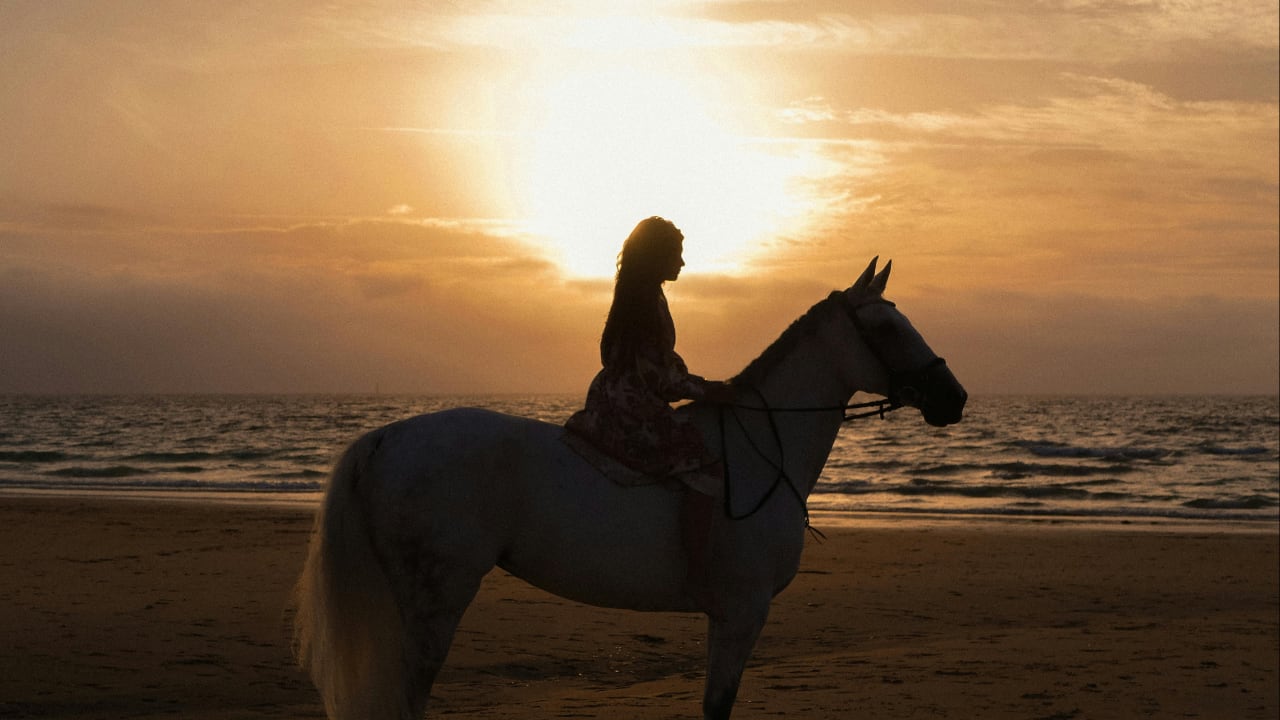
Horse Riding Holidays in Menorca: A Unique Island Experience
Tanya’s Equestry will give small groups the chance to enjoy all the many delights of Menorca from the saddle.
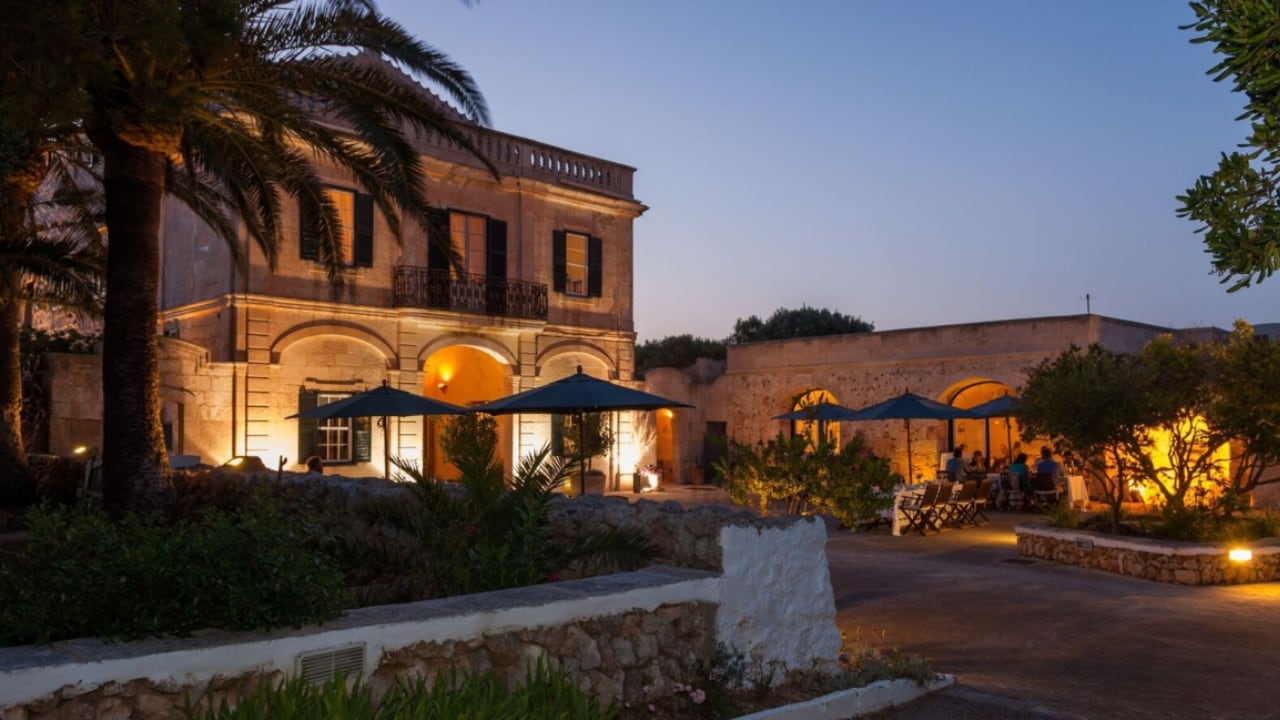
Alcaufar Vell
Tucked away in the gentle southeastern countryside of Menorca, Alcaufar Vell is not a place you simply stay—it is a place you enter.